Understanding on-page SEO and Why It Matters for Syracuse Businesses
How does on-page SEO?
On-site SEO is the practice of optimizing the elements on a webpage so search engines and people can understand it more clearly. It includes the words you write, the way your website content is arranged, the title tag, meta description, header tags, images, URL structure, and internal linking. In other words, it helps a page become more relevant, easier to crawl, and more useful for the user.
For search engine optimization, on-page SEO plays a direct role in search engine rankings because it signals what a page is about and whether it matches user intent. Strong on-page work strengthens crawlability, indexability, and overall visibility in organic search. It also boosts user experience, which can influence engagement, bounce rate, and conversions.
Consider on-page SEO as the part of optimization you can shape inside the page itself. If you run a local law office, dental practice, restaurant, or home service company in Syracuse, your page needs to clearly tell visitors and search engines what you offer, where you serve, and why you are the right choice.
The reason on-page SEO matters for Syracuse, NY businesses
For Syracuse businesses, on-page SEO is often what separates getting found in local search and getting buried under competitors across Central New York. When someone website designer syracuse ny searches on Google for “plumber near me,” “best Italian restaurant in Syracuse,” or “family lawyer Syracuse NY,” the pages with better optimization are more likely to appear in Google search results.
This counts because local customers usually evaluate nearby providers quickly, often on mobile, and often before making a call or booking an appointment. That means your site needs more than a nice design. It needs the right ranking signals to support competitive visibility against businesses in Downtown Syracuse, Eastwood, University Hill, and surrounding areas like Liverpool, DeWitt, and Camillus.
Local intent also affects how content should be written. A Syracuse healthcare clinic, for example, may need location pages, service details, and trust signals. A restaurant might need menu pages, neighborhood references, and strong image optimization. A professional services firm may need clearer proof of expertise, service area coverage, and strong calls to action. On-page SEO helps all of that work together.
In what way on-page SEO works within web design
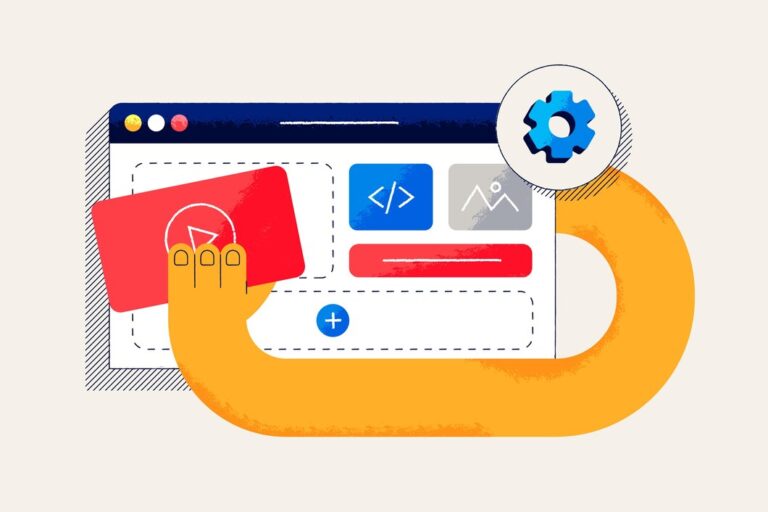
Web design along with on-page SEO must not be treated as separate projects. Effective website architecture boosts SEO by making it easier for users and search engines to travel across the site. Intuitive navigation, well-structured content hierarchy, and specific pages help search engines understand topical relevance and help visitors find what they need faster.
Page speed is another major factor. A slow website can hurt engagement and increase bounce rate, especially for mobile users searching in a hurry. In Syracuse, where many people search while commuting, comparing service providers, or looking for immediate help, fast-loading pages matter. Performance is part of the overall page experience.
Mobile-friendly design is also important. Google uses mobile-first indexing, so a site that works well on smaller screens has a better chance of performing well. Buttons should be easy to tap, text should be readable, forms should be simple, and pages should load smoothly on phones and tablets. For local businesses, this can directly affect calls, appointments, and quote requests.
Strong design also helps with conversion rate optimization. A well-structured homepage, service page, or landing page can guide users to the next step, whether that is calling, booking, or submitting a form. In other words, on-page SEO and web design work together to increase both traffic and conversions.
What page elements impact on-page SEO?
Various on-page factors influence how well a page ranks. The primary include title tags, meta descriptions, header tags, internal links, and additional elements like image optimization and schema. Each one enables search engines interpret the page and helps users see what they will get from the content.
Title tags should explicitly describe the page topic and include the main phrase naturally. A effective title tag can boost clicks from search results. The meta description does not directly rank pages by itself, but it can boost click-through rate by summarizing value in a compelling way.
Header tags divide the page into sections, making the content easier to scan. A good H1 presents the main topic, while H2s and H3s break up supporting ideas. This boosts readability and supports content hierarchy.
Internal linking helps users to move between related pages and helps search engines understand relationships across the site. A service page can link to a related blog post, a location page, or a contact page. This reinforces topical relevance and supports topic clusters.
Other page elements matter too:
- image alt text assists search engines and accessibility tools understand visuals
- URL structure should be brief, readable, and descriptive
- schema markup delivers structured data that can enhance how a page is understood in search
- external links can build credibility when used appropriately
Overall, these elements improve clarity, crawlability, and relevance. They also support the user’s journey by making the page easier to navigate and trust.
How do keyword usage function in on-page optimization?
Keywords are still important, but contemporary SEO is less about repeating a phrase and more about aligning with search intent. The primary keyword tells you what the page is mainly about, while keyword research helps discover related phrases people actually use. A strong page uses the primary term naturally and includes semantic keywords that mirror the broader topic.
Keyword placement should feel natural. Include the main phrase in the page title, H1, introductory paragraph, and a handful of relevant sections if it fits the copy. Then support it with associated terms that search engines can connect through semantic search. This helps the page look complete rather than redundant.
As an example, a Syracuse roofing company might focus on a primary term like “roof repair Syracuse NY” and support it with related phrases such as urgent roof leak repair, asphalt roofing shingles, weather damage, and Central New York service areas. This blend signals search engines the page matches user intent while still sounding human.
Good keyword use also improves relevance for local search results. A restaurant page may need community references, dish types, reservation terms, and menu-related language. A lawyer or accountant may need industry-specific keywords plus confidence-building language. The best pages answer the question the searcher is really asking, not just the words they typed.
What content signals help pages rank?
Search engines reward pages that deliver real benefit. That means, content excellence is among the top ranking factors. Strong content is easy to read, useful, thorough, and written for users first. It responds to questions directly, overcomes objections, and encourages the visitor take action.
Topical relevance matters too. A page should stay centered on one main subject while also including related subtopics that help it feel well-rounded. This is where topic clusters can help. Instead of one thin page trying to cover everything, you can create a core service page supported by related articles and location pages.
E-E-A-T is also another major signal. It stands for experience, expertise, authoritativeness, and trustworthiness. For Syracuse healthcare, legal, financial, and home service businesses, E-E-A-T can be improved through credentials, reviews, author bios, local proof, detailed service explanations, and accurate information.
Up-to-date content also matters. Some pages need regular updates to stay accurate, especially if services, pricing, hours, regulations, or local offerings change. Updating content can boost trust and keep the page aligned with current search intent.
Good content signals also improve engagement. If visitors stay longer, scroll more, click related links, and take action, it suggests the page is helping them. That can support better performance over time.
How do SEO services enhance on-page performance?
Skilled seo services can turn on-page SEO more effective by adding organization, experience, and uniformity to the process. Many business owners know they need better rankings, but they do not have time to review every tag, paragraph, and technical issue. That is where professional support becomes useful.
Technical optimization is often the initial step. This can include resolving crawl errors, improving page speed, streamlining URL structure, implementing schema markup, and making sure the site is mobile-friendly. These changes help search engines crawl and understand the site more easily.
Content optimization is just as important. SEO specialists can rewrite pages to better match search intent, improve internal linking, improve header structure, and make sure the copy includes relevant semantic terms without sounding forced. They can also improve calls to action so the page supports better conversions.
Performance audits help spot where a page is lagging. An audit may show that a title tag is too vague, a meta description is missing, a page has thin content, or important internal links are absent. For Syracuse companies competing in crowded local search results, these fixes can produce meaningful gains in visibility and organic traffic.
How do digital marketing and AI experts support on-page SEO?
Digital marketing staff help on-page SEO align with a larger plan rather than being in a vacuum. A page should support the business’s overall goals, whether that means lead generation, online bookings, phone calls, or foot traffic. SEO, paid media, email, and social content should all reinforce the same message and brand positioning.
ai experts can also support on-page work https://www.google.com/maps/place/Sunstone+Digital+Tech/@43.0471862,-76.1504376,666m/data=!3m2!1e3!4b1!4m6!3m5!1s0x89d9f3beb35a9e23:0xd5d2404ab427cc09!8m2!3d43.0471862!4d-76.1504376!16s%2Fg%2F11h5q8d49_!5m1!1e2?entry=ttu&g_ep=EgoyMDI2MDgxOS4wIKXMDSoASAFQAw%3D%3D by speeding up research, finding content gaps, and spotting patterns in analytics. AI can help analyze search intent, cluster related topics, or suggest supporting questions people ask. Used well, it can strengthen content strategy without replacing human judgment.
For Syracuse businesses, this combination is especially useful. A home services company may need pages targeting multiple neighborhoods and service types. A medical practice may need educational content that supports trust and local relevance. A restaurant might need seasonal updates, menu changes, and content tailored to nearby customers searching on mobile. Digital marketing and AI-driven analysis help keep that content aligned with business goals and search demand.
Analytics complete the cycle. By reviewing traffic, clicks, calls, form submissions, and behavior data, marketers can see what content is performing and where users are leaving. That makes on-page SEO a measurable process, not just a creative effort.
What are common on-page SEO mistakes to avoid?
Some of the most common mistakes are easy to make but can hurt performance. One is keyword stuffing, which makes content read unnaturally and can damage credibility. Search engines want useful language, not repeated phrases forced into every sentence.
Another issue is duplicate content. If multiple pages say the same thing, search engines may struggle to decide which one should rank. This is especially common when businesses create multiple service or location pages without enough unique value.
Light content is another issue. A page with only a handful of broad sentences will usually not compete well against pages with more depth, authority, and direct answers. This is a major issue for businesses that want to rank in local search but do not fully explain their offerings or service area.
Inactive links can also hurt visitor experience and crawlability. If visitors hit broken pages, they are less likely to trust the site or continue exploring. That can weaken engagement and reduce the page’s ability to support conversions.
Other errors include poor image optimization, weak internal linking, missing schema markup, and pages that are not mobile responsive. Avoiding these issues helps protect authority and keeps the site easier to use.
FAQ: On-page SEO for Syracuse websites
What is on-page SEO in simple terms?
On-page SEO is the process of improving the parts of a webpage that you control so it can rank better in search engines and be easier for visitors to use. It includes content, tags, headings, links, images, and page structure. For Syracuse businesses, it helps a website attract local customers searching for nearby services.
What are the most important on-page SEO factors?
The most important factors usually include the title tag, meta description, header tags, URL structure, internal linking, content quality, keyword relevance, mobile responsiveness, page speed, and schema markup. Together, these elements improve relevance, crawlability, and user experience. Strong E-E-A-T and clear search intent alignment also play a major role.
How does on-page SEO help Syracuse businesses get more local traffic?
On-page SEO helps Syracuse businesses appear in local search results by making it clear what they do, where they are located, and which services they offer. It supports visibility for people searching on mobile while comparing nearby providers in Syracuse, Eastwood, University Hill, and other Central New York areas. Better optimization can lead to more clicks, calls, and visits.
How regularly does on-page SEO be updated?
On-page SEO should be assessed on a routine basis, especially when services change, new competitors appear, or search behavior shifts. Many businesses update key pages every few months and review them during content audits. Freshness matters because search intent, local competition, and ranking factors can change over time.
Can AI experts help improve on-page SEO?
Yes. AI experts can help with keyword research, content strategy, topic clustering, and analytics review. They can help identify opportunities faster and spot patterns in organic traffic and engagement data. Human editing is still important, but AI can make on-page SEO more efficient and more scalable for modern digital marketing.